From single-use plastic bans to reduced food wastage and changing retailer and consumer expectations, the fresh produce industry is under mounting pressure to rethink packaging. Today, sustainability, performance, and cost efficiency must work together, without compromising freshness.
When it comes to sustainable packaging for fresh produce, it typically refers to fibre-based solutions that are kerbside recyclable or certified compostable, helping to significantly reduce plastic and keep waste out of landfill. At Detpak, this transformation is driven by R&D-led fibre innovation, with packaging solutions custom-designed to meet the specific demands of different fresh produce types, supply chains, and brands.
Read on to learn more about how fibre-based and compostable packaging is transforming the way fresh produce is protected, presented, and disposed of, helping growers, vendors, and retailers meet environmental goals while delivering the performance today’s supply chains demand.
What is R&D Led Fibre?
R&D-led fibre refers to the development of fibre-based packaging solutions that are engineered through research, testing, and real-world validation, rather than off-the-shelf formats. At Detpak, this means designing packaging around the specific needs of each fresh produce application, from ventilation and moisture control to strength, stacking performance, and shelf presentation.
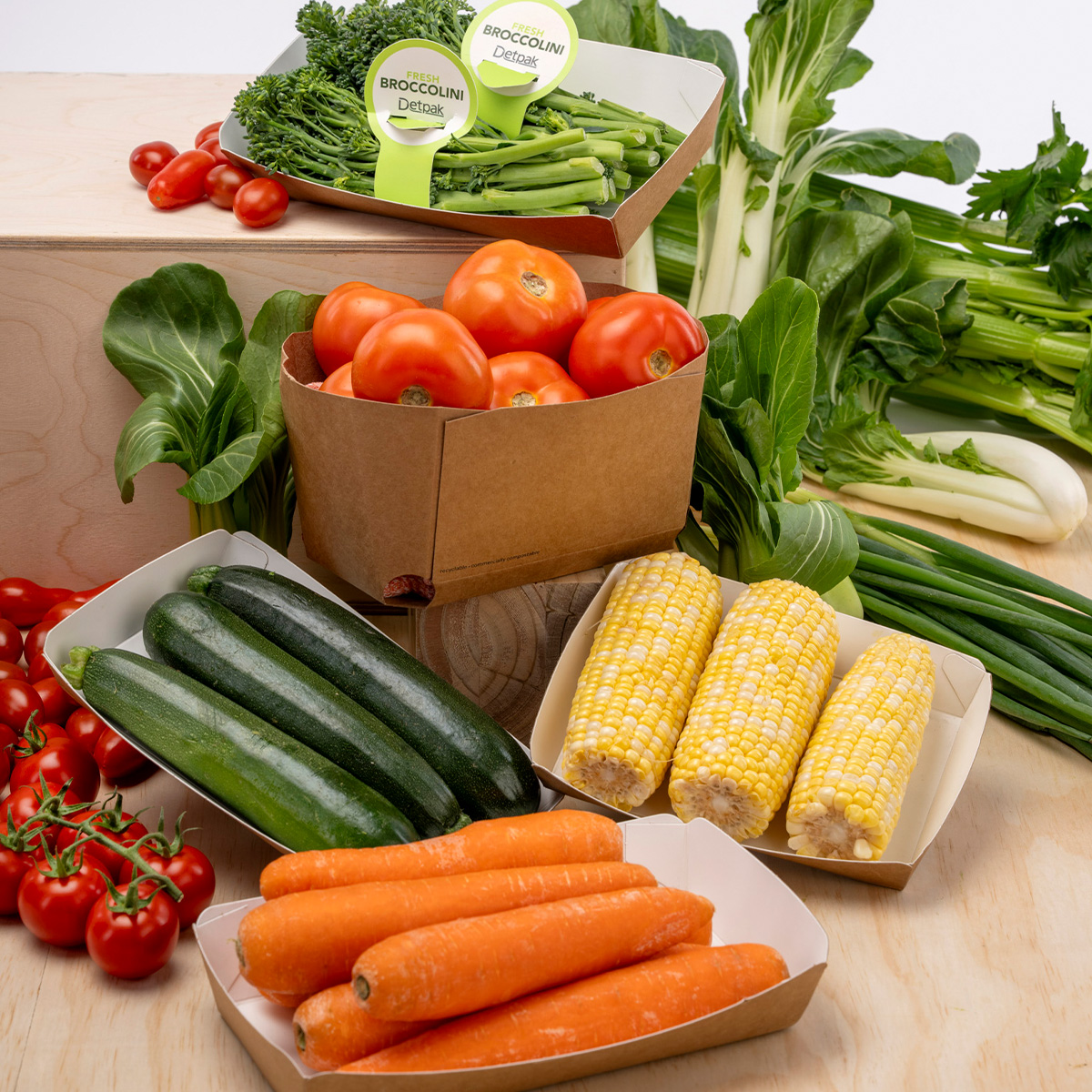
Through our LaunchPad™ design and R&D facility, Detpak creates bespoke fresh produce packaging tailored to individual products and brands. For example, custom-designed fibre trays for fresh fruit have been developed with optimised ventilation patterns and structural strength to protect delicate produce during transport, while maintaining strong on-shelf appeal and recyclability.
This R&D-led, customised approach ensures each packaging solution performs in real supply chain conditions, helping growers, vendors, and retailers reduce waste, protect freshness, and meet sustainability goals.
Why packaging sustainability matters in fresh produce
Compared to other markets, packaging fresh produce comes with several unique challenges that must be accounted for. From perishability and the potential for damage during transit to retail presentation, refrigeration and hygiene requirements, sustainable fresh produce packaging plays a key role in protecting product quality while reducing waste.
While material choice is often considered one of the most critical aspects of sustainable packaging, product protection, waste minimisation, supply chain efficiency and end-of-life outcomes are equally important. With evolving regulations and increased scrutiny on packaging waste, produce suppliers are seeking fibre-based solutions that meet kerbside recycling standards and support long-term compliance through 2025 and beyond.
At the same time, sustainable packaging must perform just as well as traditional plastic, maintaining freshness, strength, and shelf appeal, while supporting cost-to-serve objectives in a margin-sensitive market.
End-of-life pathways for sustainable produce packaging
End-of-life pathways are a key element of sustainable packaging. Put simply, these pathways describe what happens to packaging materials after they’ve been used and how effectively materials can be recovered within existing waste systems. Clear disposal outcomes, supported by on-pack labelling, are essential to building a circular economy and keeping packaging out of landfill.
Recycling
Kerbside-recyclable fibre packaging is a preferred end-of-life pathway for fresh produce. Fibre-based trays, cartons, and market packaging that meet recycling standards can be collected, sorted, and reprocessed into new materials.
Recyclable packaging supports circularity by keeping materials in use and reducing reliance on virgin resources. Clear Australasian Recycling Label (ARL) instructions help consumers dispose of these items correctly.
Composting
Compostable packaging is designed to break down into nutrient-rich compost under specific conditions:
Home compostable: Breaks down in a household compost system without the need for high heat.
Industrially compostable: Requires commercial composting facilities where higher temperatures and controlled conditions support efficient breakdown.
Compostable packaging, such as certified compostable trays or fibre-based solutions with compostable certifications, helps divert material from landfill and supports circular, organics-focused waste systems. Labelling is essential here, as consumers need to know whether an item is home or industrially compostable.
Landfill
If packaging isn’t recyclable or compostable, or if it’s contaminated, it typically ends up in landfill. This is the least preferred end-of-life outcome, as materials are lost rather than recovered.
Traditional plastics often fall into this category, especially when multilayered or difficult to separate. Minimising landfill reliance is a key driver behind the industry’s shift toward fibre and compostable alternatives.
The impact of sustainable packaging on shelf life
There’s a common misconception that sustainable fruit and vegetable packaging doesn’t offer the same level of protection or performance compared to traditional plastic packaging. In reality, R&D-led fibre-based packaging can equal, and in some cases exceed, plastic performance when designed specifically for fresh produce.
Here’s how:
- Packaging design impacts freshness: Fibre-based packaging is engineered to preserve freshness while delivering strong shelf presentation. Ventilation, moisture management, rigidity, and durability are all tailored to the needs of specific fruits and vegetables.
- Provides pre-retail protection: Fresh produce packaging must withstand packing lines, stacking, chilled storage, and transport. Detpak’s fibre solutions are rigorously tested to ensure strength, consistency, and reliability throughout the supply chain.
- Ensures post-consumer performance: Sustainable packaging also supports at-home storage and easy disposal. By maintaining freshness from farm to shelf to consumer, fibre-based solutions play a key role in reducing food waste, one of the most significant sustainability challenges in fresh produce.
How Detpak supports a smooth transition to sustainable fresh produce packaging
At Detpak, we partner with growers, vendors, and retailers to deliver bespoke, fibre-based packaging solutions for fresh produce. Our approach combines material science, structural design, and sustainability expertise to create packaging that protects freshness, enhances shelf appeal, and supports cost efficiency.
Through LaunchPad™, our in-house packaging design agency and R&D facility, we develop custom packaging tailored to your produce, supply chain, and brand. From ventilation and barrier performance to custom print and structural innovation, every solution is designed to meet real-world conditions.
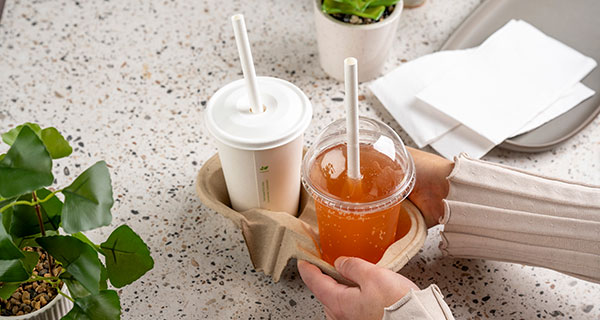
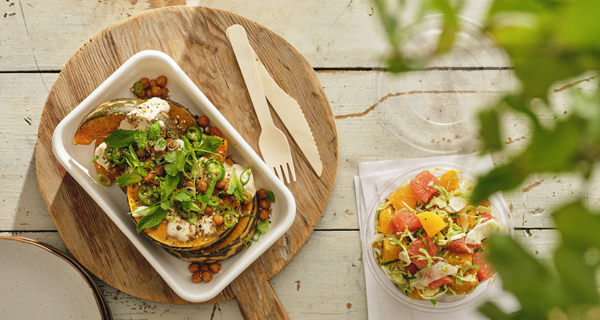
Our fresh produce range includes kerbside-recyclable and compostable fibre-based trays, cartons, paper bags, and paper rewind solutions, with each format custom-designed to suit individual product needs, packing lines, supply chain conditions, and brand requirements. All solutions are made from responsibly sourced, PFAS-free materials and tested for transport, refrigeration, and retail handling.
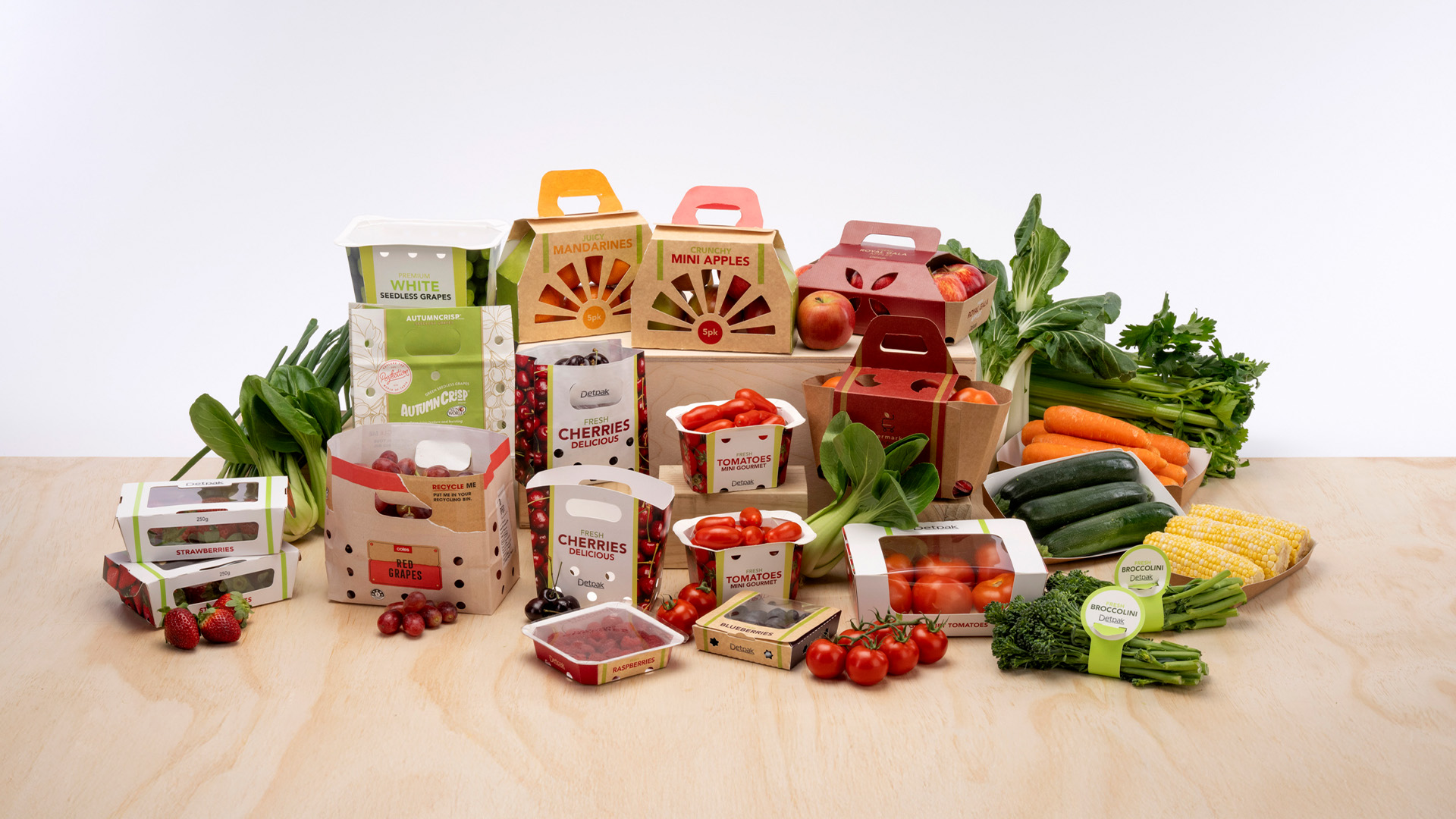
Make the switch to more sustainable fresh produce packaging with Detpak
Sustainable packaging shouldn’t be viewed as a compliance burden. When designed correctly, it becomes a strategic advantage, helping businesses reduce waste, meet regulatory requirements, strengthen sustainability reporting, and build consumer trust.
With Detpak, sustainable fresh produce packaging delivers benefits across its entire lifecycle, from improved protection and shelf life to better end-of-life outcomes and standout on-shelf branding through custom print.
Learn more about Detpak’s sustainable fresh produce packaging solutions and how our R&D-led, fibre-based approach can support your sustainability and branding goals, today and into the future.